Music Healing: Soundsteps
My dream company Soundsteps is a digital platform that offer music therapy services to the neurodivergent community. Reflecting on my younger brother’s ADHD diagnosis, I reflected upon how the current medical and education systems view difference as deficiency, which gave me the motivation to empower the community.
Our Services
-
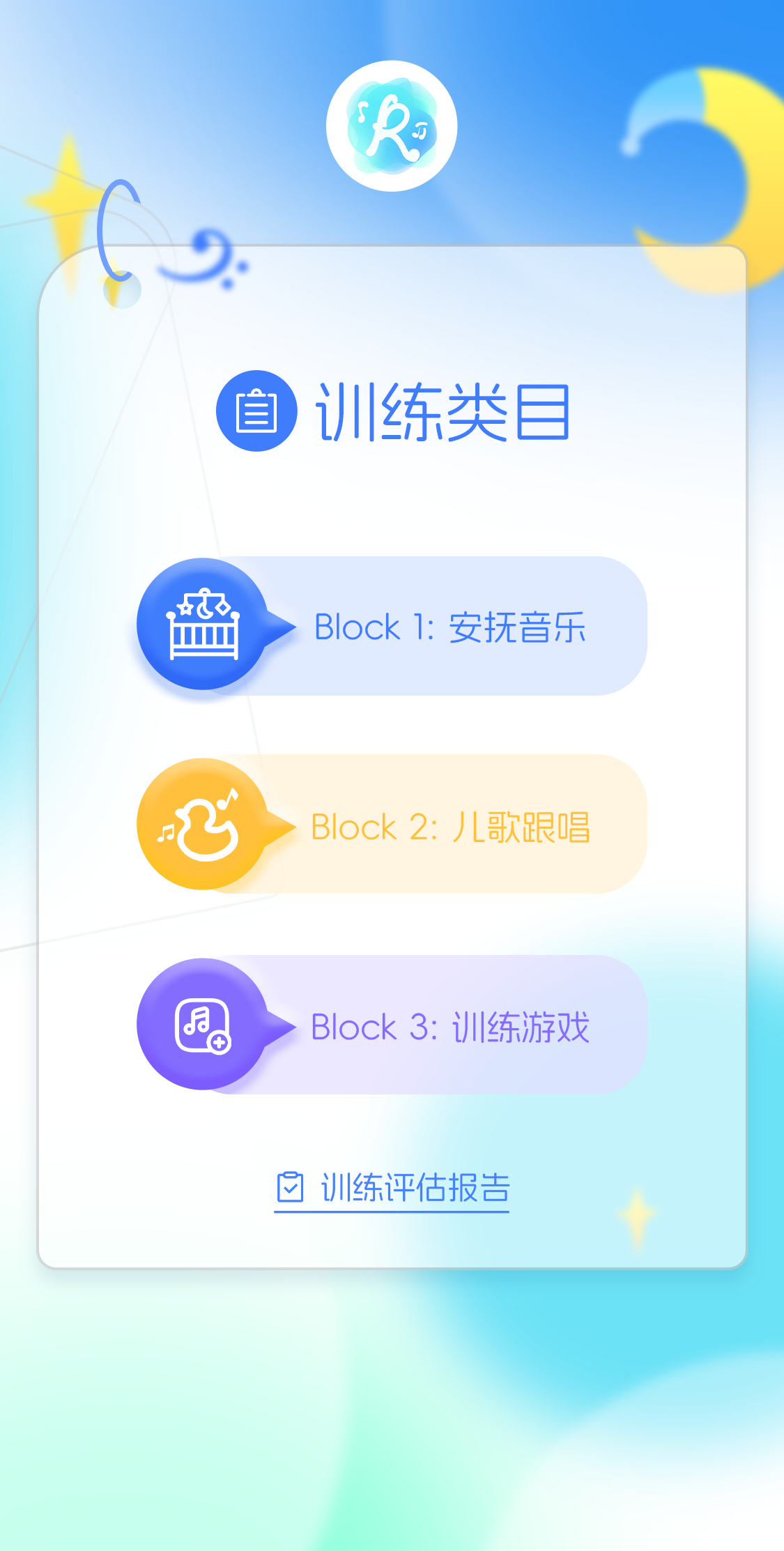
This section features sleep music (classical piano, ambient texture, white noise). The music are all carefully selected and created within tempo of 60–80 BPM and a limited pitch range. We aim to create a predictable and comfortable sound environment that help people relax.
-
With lively melody and bumpy rhythm, the nursery rhyme invites children to pronounce words. Each lyric follows the natural rhythm of speech development, supporting language development in a joyful way!
-
Guided by a metronome, children tap the screen with background music. Aim to strengthen timing and focus, through playing games!
-
The app would track past performance (rhythm accuracy and practice time) summarizing every five sessions into a progress report that can be accessed by parents!

How to make it happen?
1) Start from a WeChat mini program, leveraging the social media platform’s wide accessibility
2) Build a team, create the app:
Coding
Collaborate with musicians to filter and design songs
research-backed UIUX design to stimulate interaction
3) Test and iteration at hostpitals
Show the app to professional doctors for their advice
if they are interested, establish long-term cooperation to together design and test the digital app
When going with my younger brother to visit an expert in children development issues, I shared my music therapy expereinces in volunteering with doctor Dr. Xingming Jin. She offered me lots of advice; we later composed new music together.
4) Establish long-term cooperation with clinics for responsible, guided use of the app
What Success would look like
Soundsteps is a healthcare service company. The metric of success would be measured in terms of accessibility and quality. The app can lower the barrier (financial, geographical barrier) to attain music therapy services; the number of users and the number of clinics we collaborate with would reflect our progress for accessibility. The quality would be measured by the therapeutic effectiveness tracked by the app reports. Through long-term cooperation with doctors, kids’ condition would be checked regularly at the hospital as well.
In recent years, increasing private and public funding for the neurodivergent community in China largely impacted startups and charities in this field. Stronger awareness of autism and neurodivergent conditions have also created an encouraging environment for projects. Soundsteps would try to capture the trend and establish more cooperation and campaigns with local autism or neurodivergent volunteering groups.
Though efforts to build this dream company were made, they are not enough: the interaction of music therapy and technology is still a new field; more research in the field of psychology, human-computer interaction, and music cognition should be conducted; UIUX and music content can be further refined.