Hello,
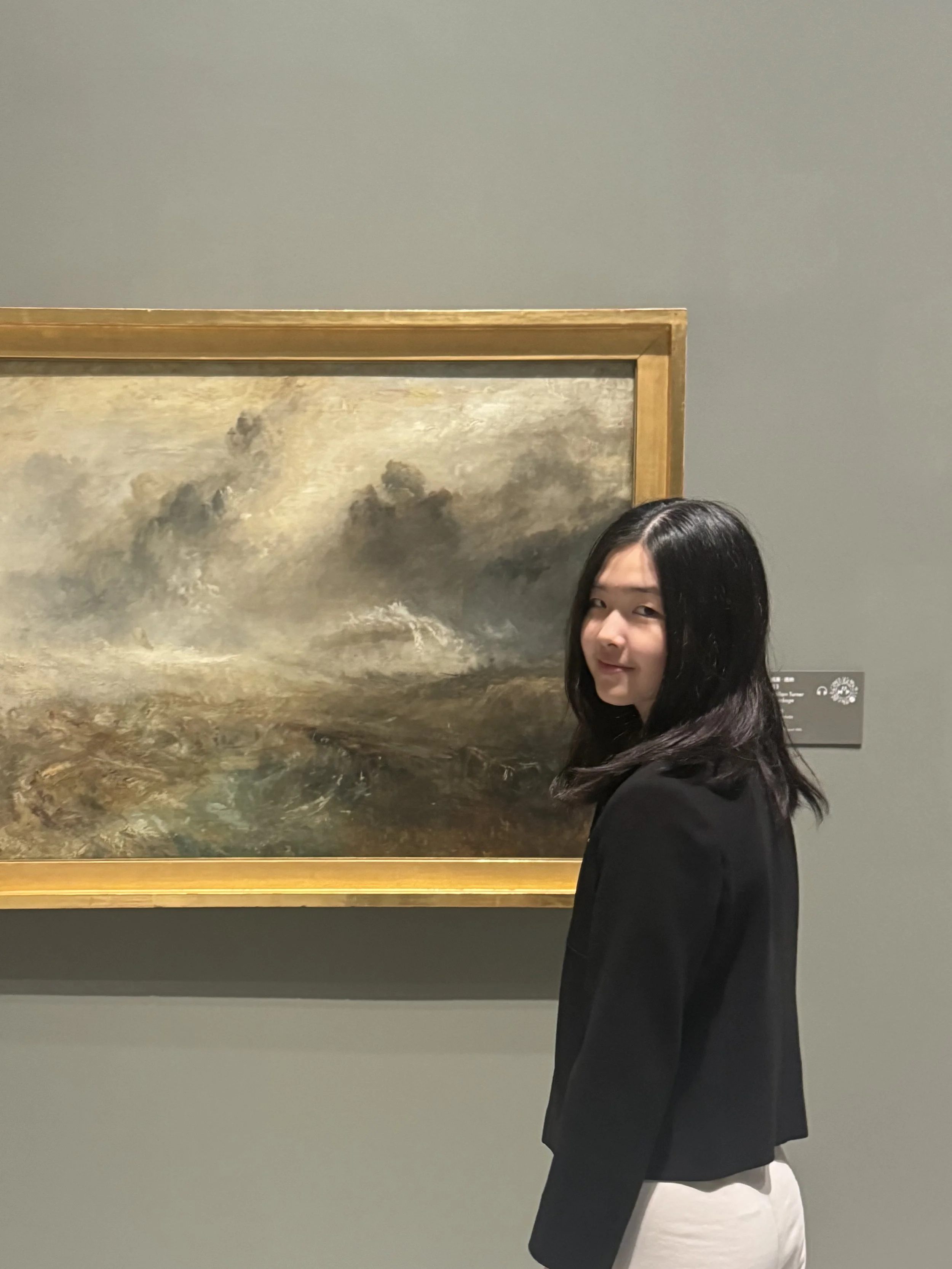
My name is Yolanda Gao
I grew up between music and movement—between rhythm and reflection.
This space collects what I learn from creating, competing, and pausing.
⇩
My expereinces
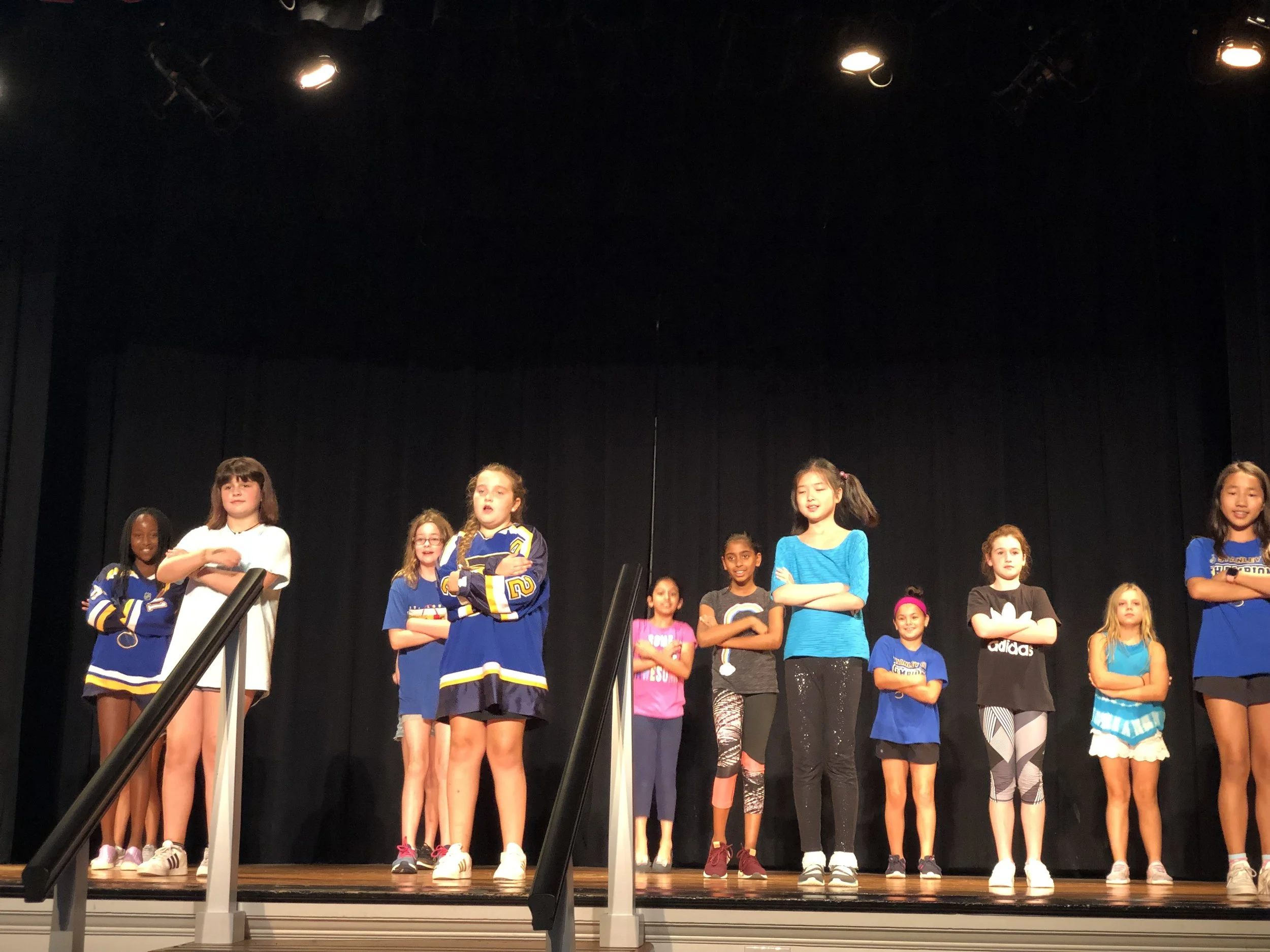
During two weeks, I took classes in archery, dancing, survival, and cooking. I learned to speak up and ask, “Can we be friends?” to new people. It was challenging, but the kindness of others helped me feel at ease. People were genuinely interested in my life in China, making me realize the importance of embracing diversity and being more outgoing. This experience taught me how to connect with others, take initiative, and offer warmth in return.
Summer Camp, 2019, at MICDS.
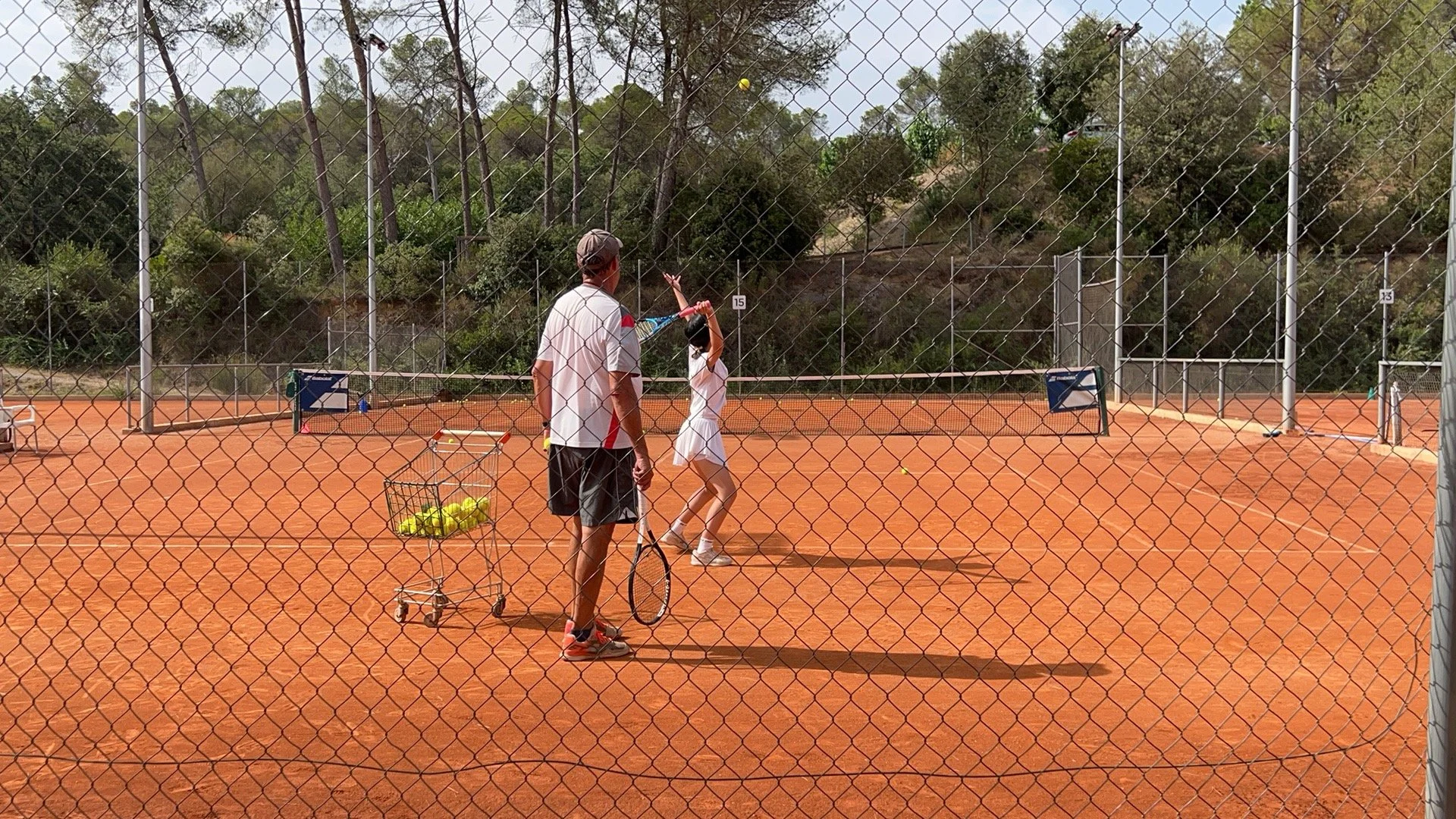
Tennis, 2o22
@Barcelona Total Tennis
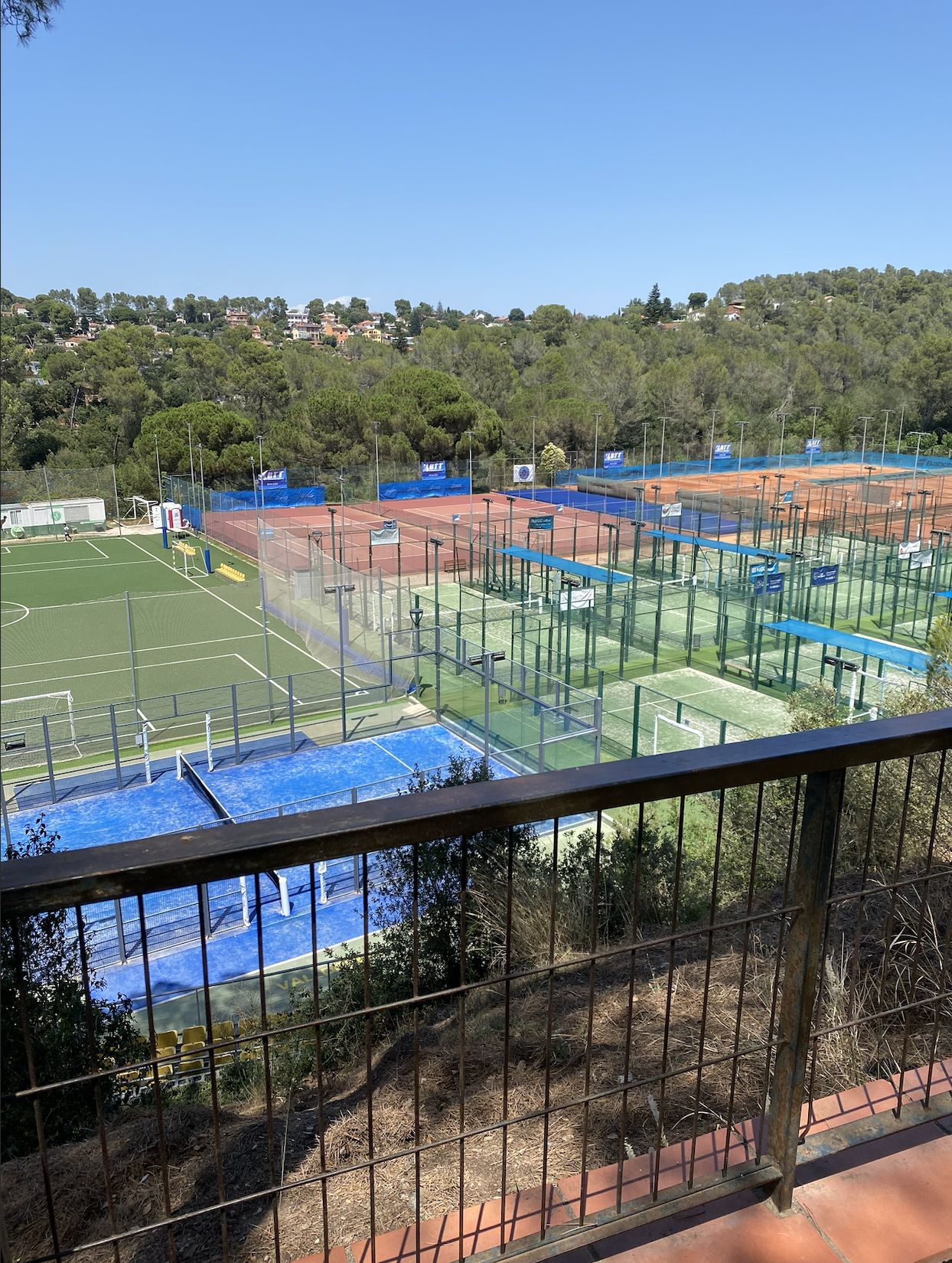
When I first joined the Barcelona Tennis Club, I struggled with heat and exhaustion. Slowly, I opened up to my coach about my challenges and learned to push through discomfort. Enjoying the experience, I realized that tennis became more than just about winning or losing; it taught me the importance of respect, gratitude, and perseverance. I learned to give my best in every match, even when the odds were against me, and to never give up — whether I won or lost. Tennis showed me the courage to stand up to my opponent and always give my full effort, no matter the outcome.
Music and Arts
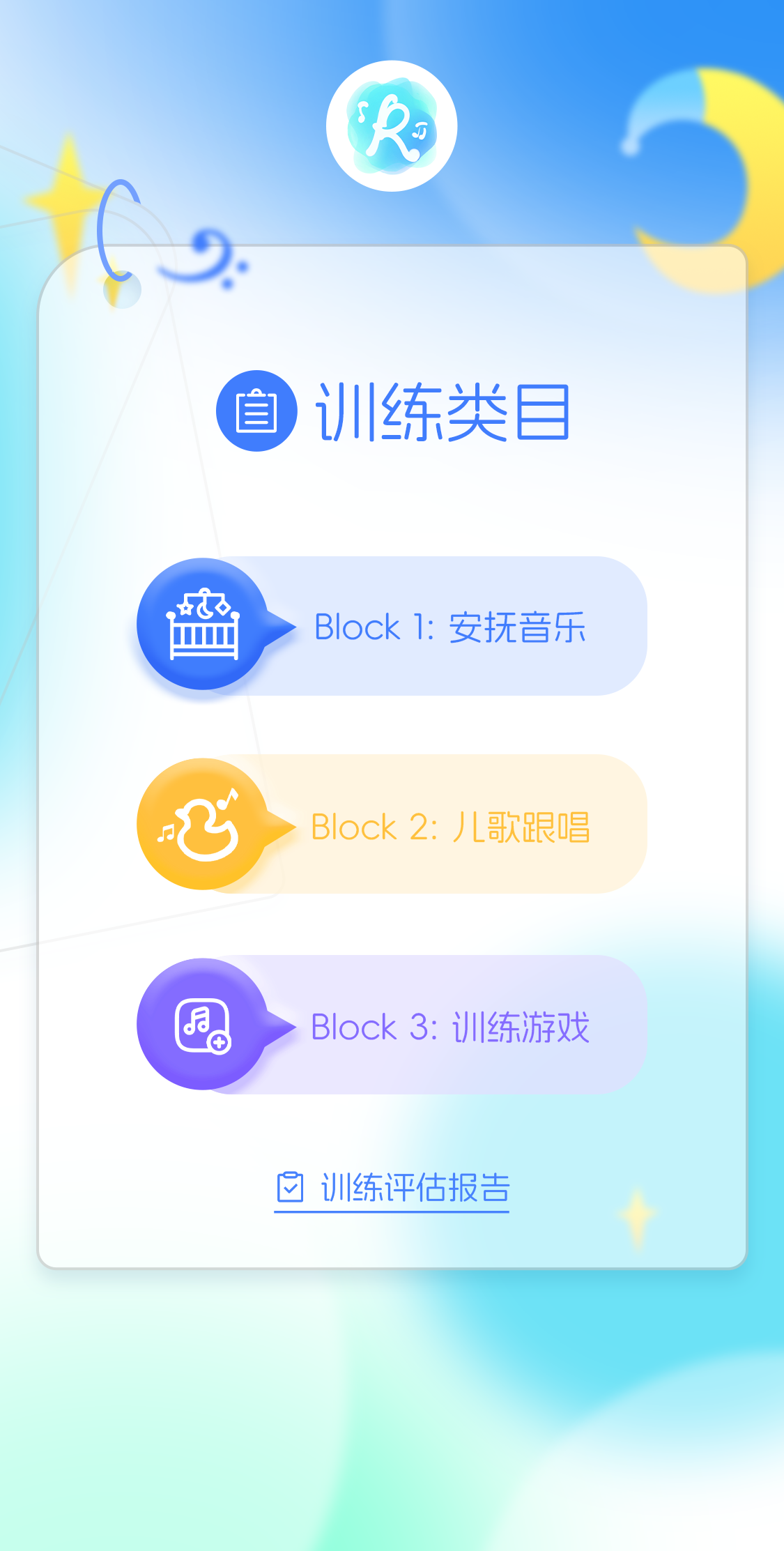
Music Healing: Soundsteps
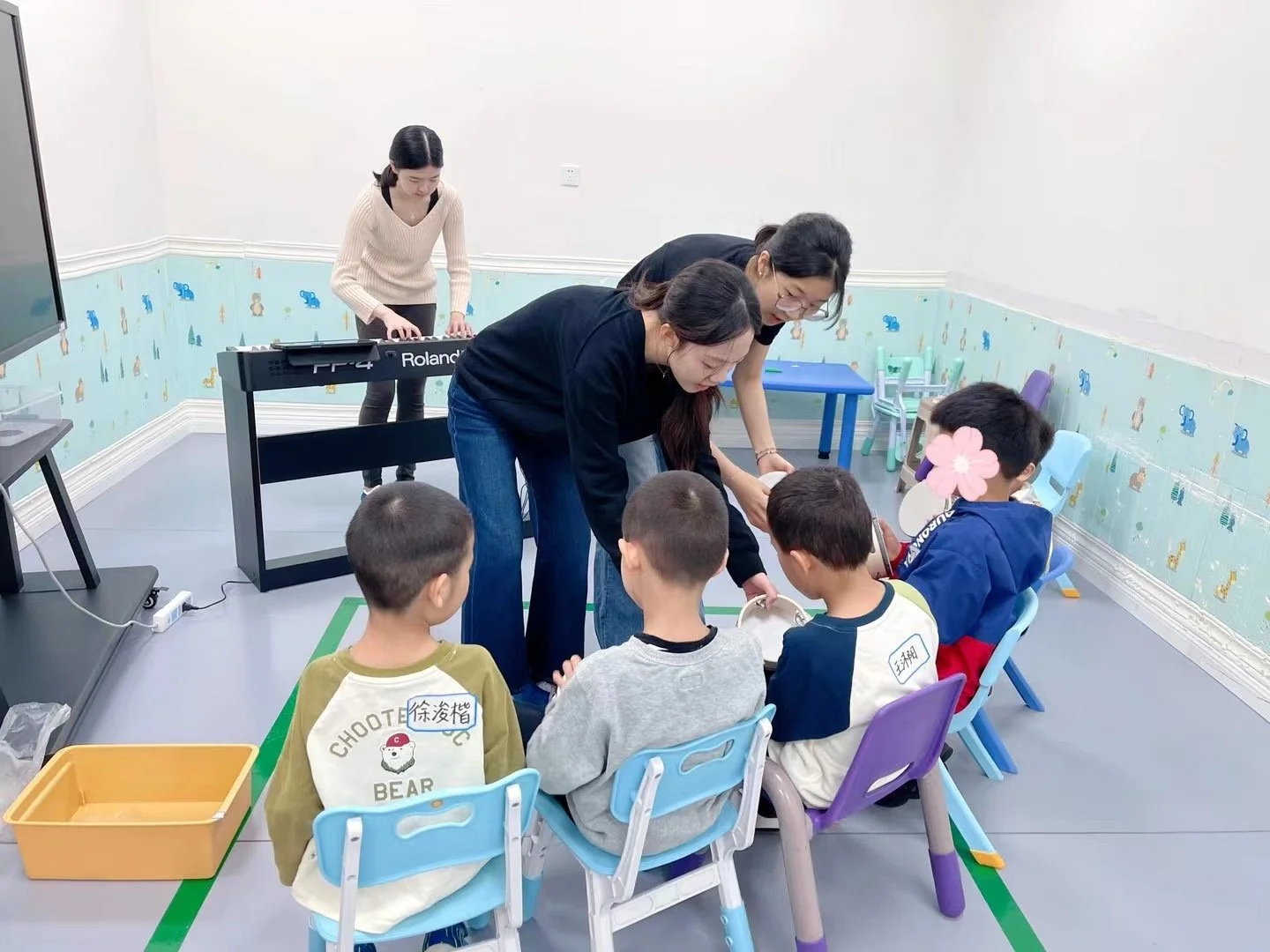
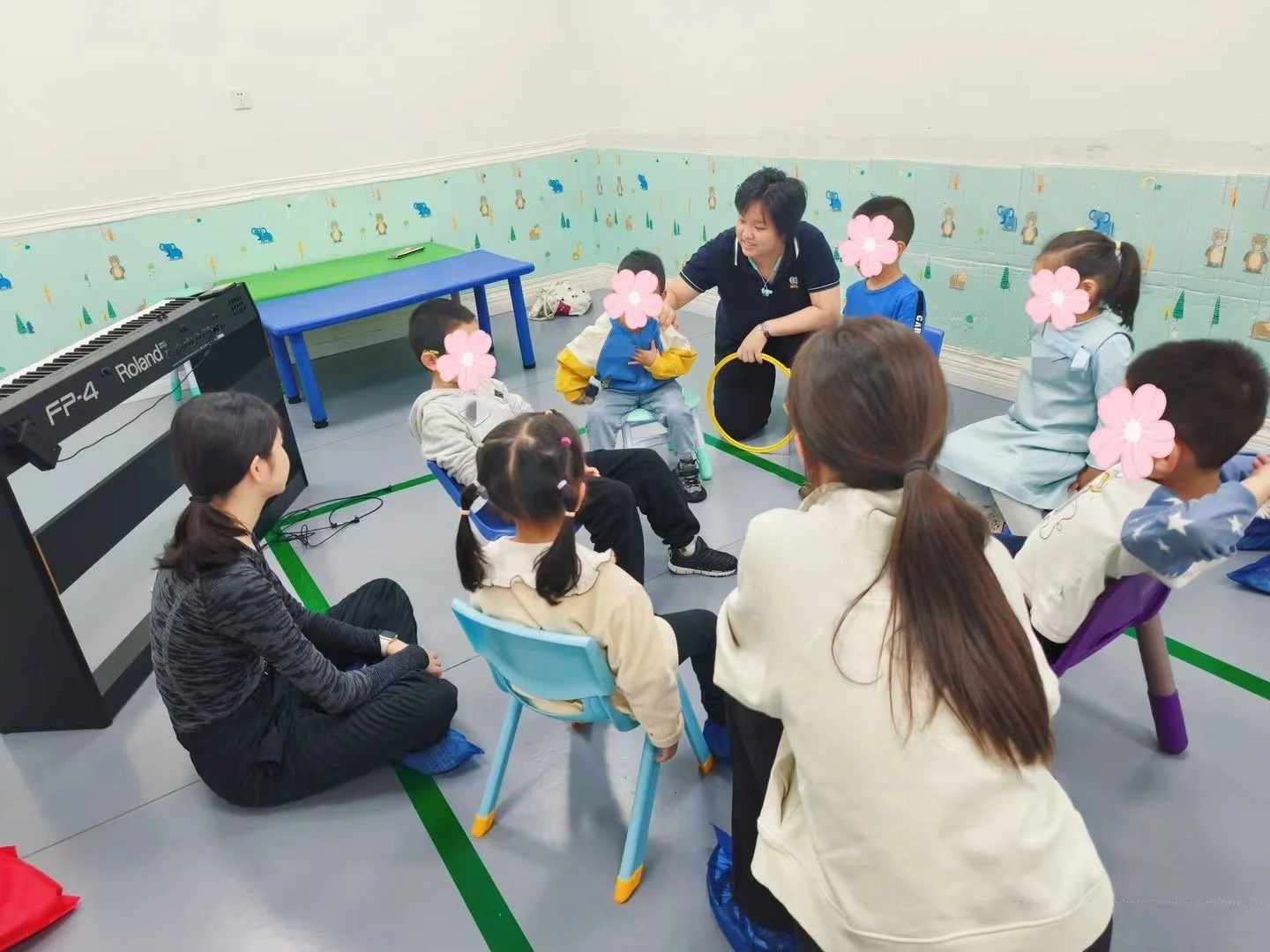
The app was inspired by my experience conducting music sessions at an autism center, where I observed how children became calmer when listening to peaceful classical music and more engaged when singing and dancing to nursery rhymes. Motivated by these observations, I led a small team to compose therapeutic pieces and develop a WeChat mini program, leveraging the platform’s wide accessibility.
After releasing the first version, we collaborated with a developmental pediatrician to ensure medical credibility and refined our approach — shifting from an autism-specific focus to a strengths-based, needs-responsive approach that empowers the broader neurodivergent community, treating ADHD and other neurodivergences as natural variations rather than diseases.
During our collaboration, the doctor also reminded me to be careful with language: don’t describe the app as if it were fixing a disease. Reflecting on my younger brother’s ADHD diagnosis, I realized that neurodivergent children often possess unique strengths that are overlooked — not because of their condition, but because medical and educational systems tend to frame difference as deficiency.
With continued testing and iteration, the app has now reached over 100 users.
Our Services
-
This section features carefully designed sleep music — including classical pieces, ambient textures, and gentle white noise — each digitally refined to maintain a stable tempo of 60–80 BPM and a limited pitch range. The goal is to create a calm and predictable sound environment that helps children feel safe and focused, which can be used in daily life as well to soothe emotions
-
The nursery rhyme series embraces music as a bridge to self-expression. With lively melodies and rhythmic patterns, it invites children with diverse communication styles to explore their voices. Each lyric follows the natural rhythm of speech development, turning language discovery into a joyful and creative journey.
-
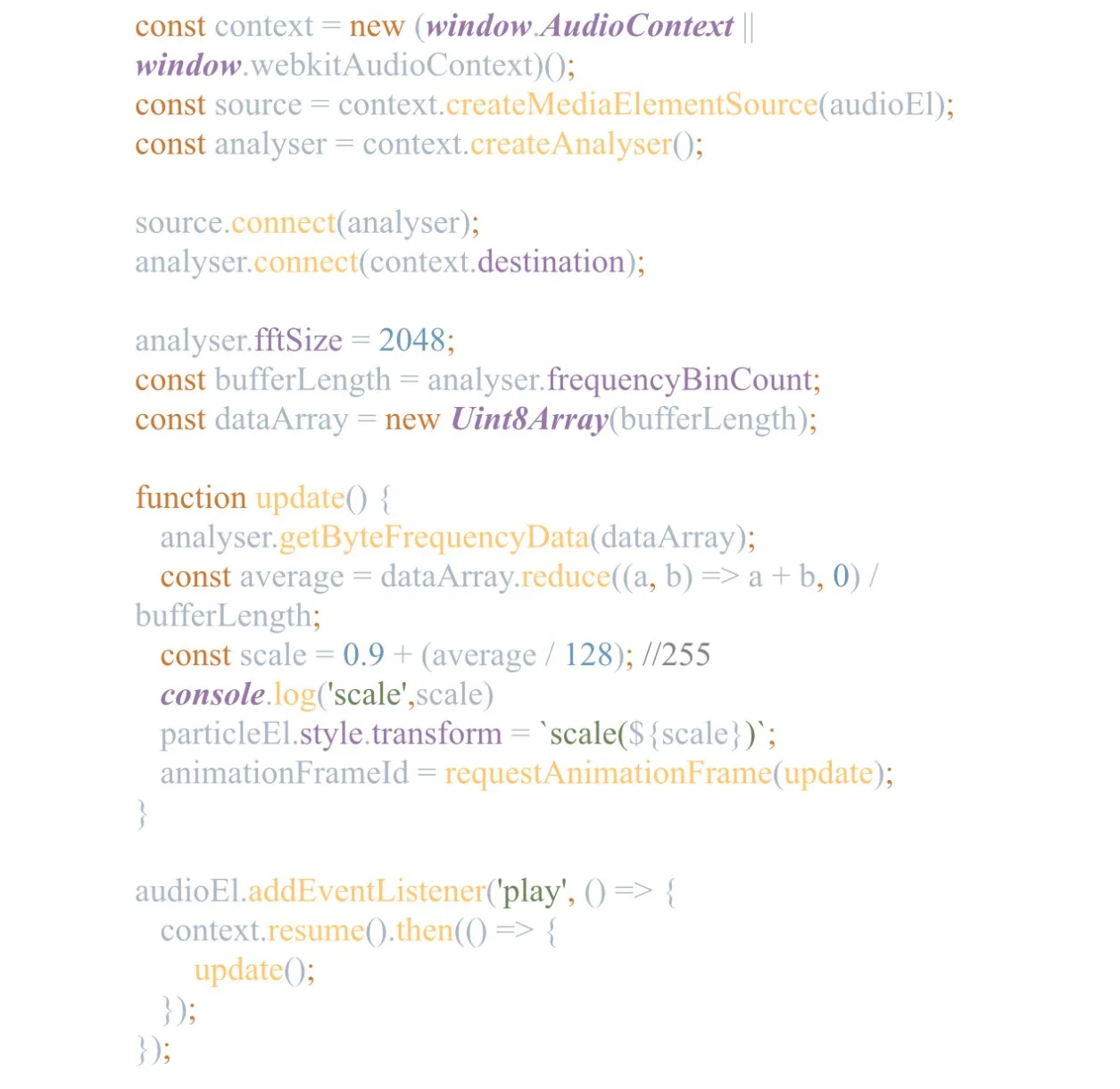
The rhythm game introduces an interactive, empowering element to music engagement. Guided by a metronome, children tap the screen in time with the melody — strengthening timing, focus, and motor coordination through play. Instead of testing, the experience celebrates progress and flow.
-
To support growth without pressure, the app provides a gentle feedback system that tracks rhythm accuracy and practice time, summarizing every five sessions into a progress snapshot. Parents can easily see their child’s engagement and emerging strengths, fostering understanding and encouragement rather than comparison.
Sleep Music
The classical music piece Satie’s Gymnopédie No. 1 is used for sleep and deep relaxation, following a slow tempo of about 60–80 BPM (a rhythm close to a resting heartbeat) and staying within a gentle two-octave range without sudden high or low notes.
Purpose: To create an atmosphere of calmness and reduce stress. The pieces in this section can also be used to calm emotions as well!
Nursery rhyme
The second piece is a nursery rhyme designed as a progressive learning process. In the early stage, the audio includes both melody and lyrics to guide the child’s pronunciation and rhythm. In the advanced stage, only the background music remains, encouraging the child to sing the lyrics independently. The lyrics themselves are carefully arranged to follow the natural order of speech development, helping children practice pronunciation and gain confidence through music.

What I learned in the process
1) entrepreneurial insight
In recent years, growing government and public support for the neurodivergent community has reshaped the landscape for social-impact startups and charities. Broader attention in education and healthcare with stronger awareness of autism and developmental disorders, have created an encouraging environment for projects that merge technology and therapy. This trend highlights an important entrepreneurial insight — success often depends not only on innovation itself, but also on recognizing the direction of societal change.
(2) 🍀:
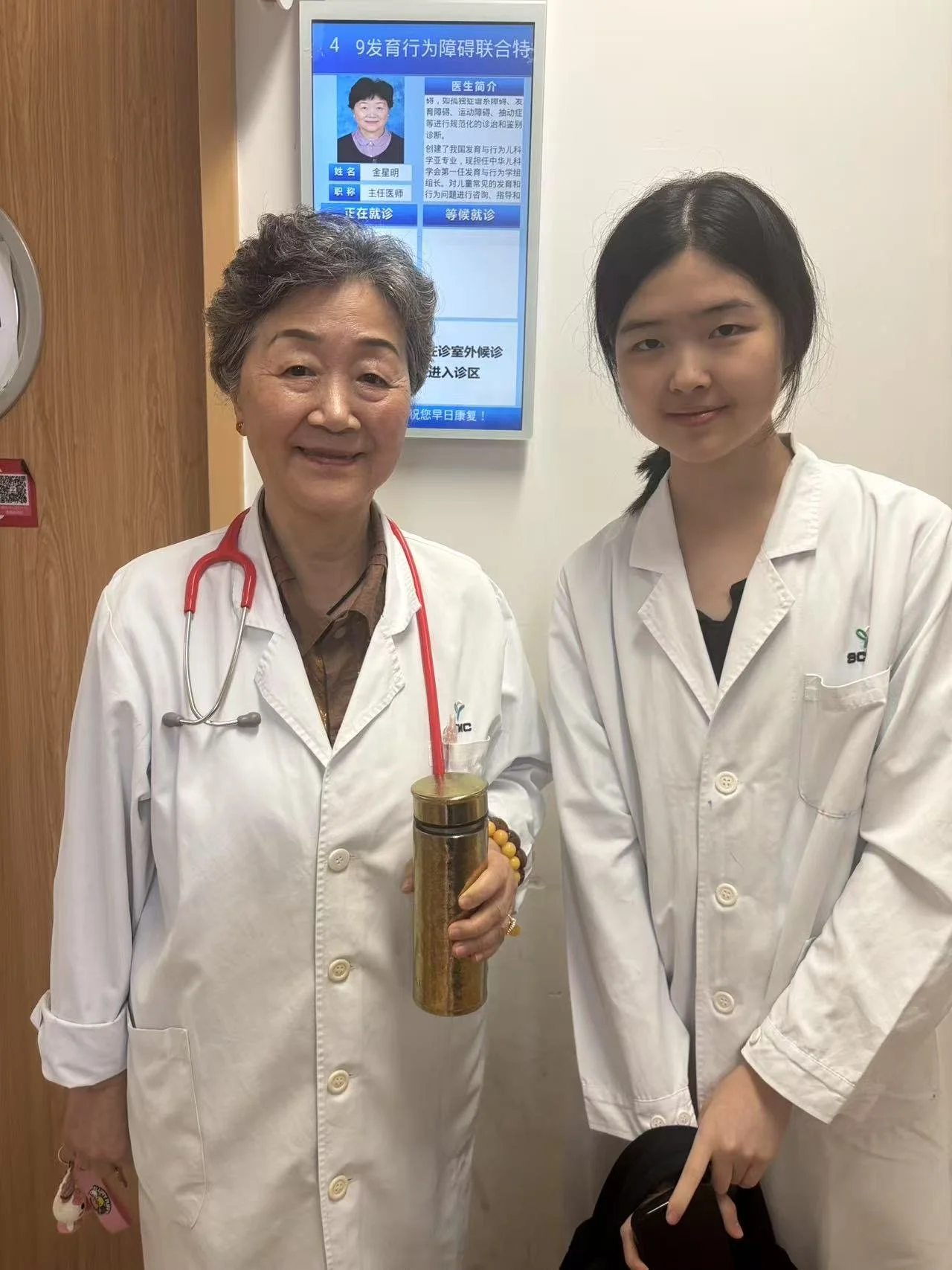
When going with my younger brother, who has ADHD, to visit an expert in children development issues, I chatted with the doctor Dr. Xingming Jin about my music therapy experiences in volunteering. She was interested in my findings! After I presented her with the first version of my app, she offered me advice and we later composed new music and tested together.
Watching a ted talk on how to be luckier in life, I noticed one factor is to step outside the comfort zone and talk to new people. In my case, the random conversations led to a cooperation. I felt really grateful and will always remember in life the importance of having the courage to network
(3) Future improvements
After discussing the project with my mentor at LaunchX, she encouraged me to deepen my research during university—particularly in areas linking psychology, human-computer interaction, and music cognition. I hope to refine the app’s UI/UX design to make the therapy process more intuitive and emotionally engaging for children. Beyond improving interface aesthetics, I aim to study how visual feedback, rhythm responsiveness, and personalization algorithms can strengthen therapeutic outcomes. This next stage of development is not just about better design, but about transforming the interface itself into an active part of the therapy.
My hobbies
Click the photos to see the details


My current plans!
Play better tennis, more training sessions
Explore jazz piano, and try to compose new songs
Read books (e.g. history, <Thirty-Six Stratagems>, stocks and accounting)
Spend time with friends and family